Emergency plumbing
Professional emergency plumbing dispatched directly from our Farquhar Ave shop in Los Alamitos
Learn what we fix

Plumbing Notes · Updated 2026-10-28
Practical plumbing guidance for Los Alamitos, Rossmoor, and West Orange County homeowners regarding high groundwater & sump pumps near the coast. Call (207) 419-2600.
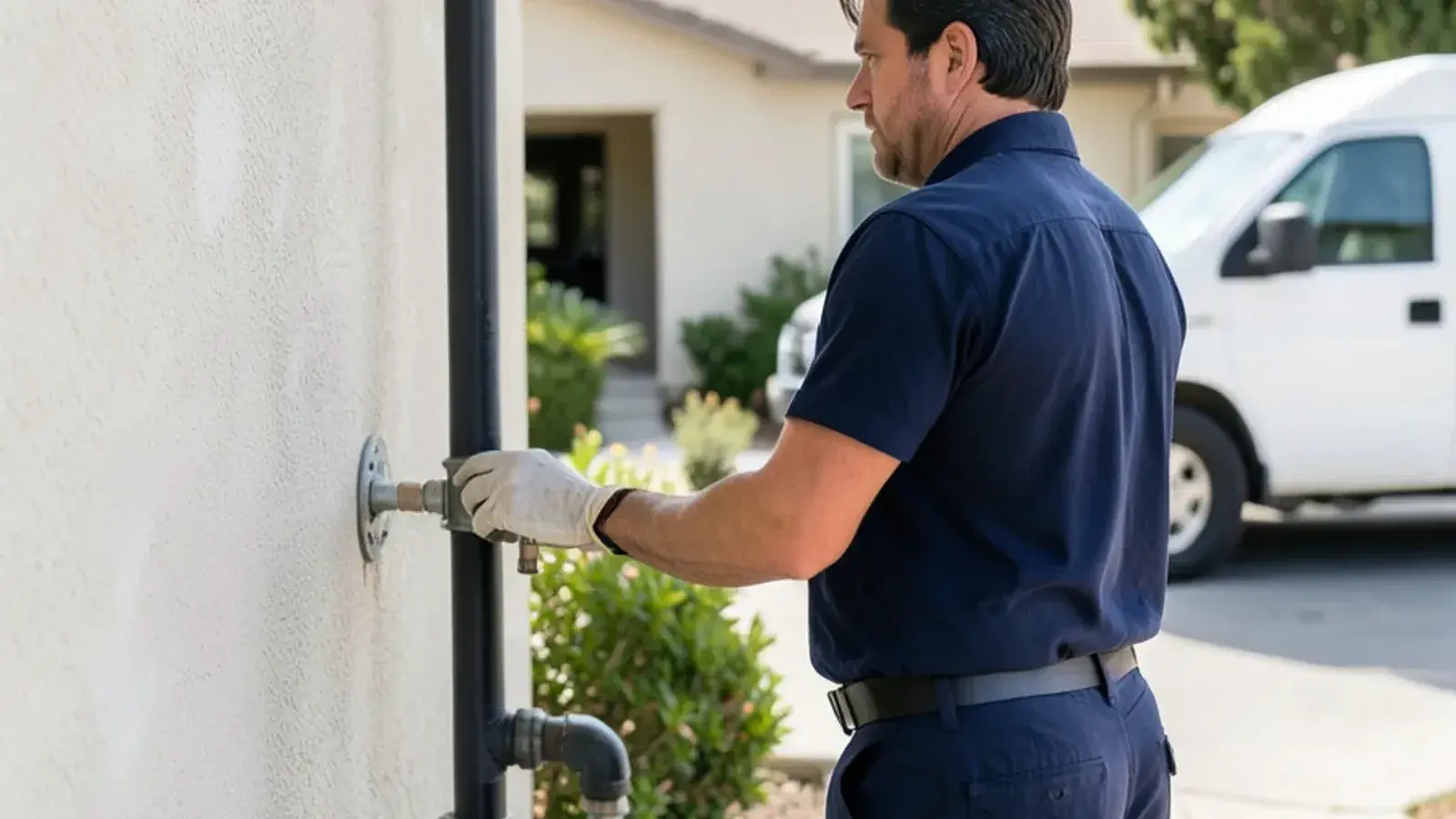
Properties situated across Seal Beach, western Los Alamitos, and low-lying tracts bordering Coyote Creek face unique hydrological conditions. Unlike inland communities with deep subterranean water tables, coastal West Orange County neighborhoods sit mere feet above sea level. In districts like Old Town Seal Beach, Bridgeport, Marina Hill, and neighborhoods along the Coyote Creek channel, the natural water table fluctuates between three and eight feet below finished grade.
During winter storms, seasonal atmospheric river downpours, and coastal astronomical King Tides, subterranean groundwater rises rapidly. Saturated sandy subsoils generate intense hydrostatic pressure against concrete foundation slabs. If water has no controlled drainage path, it forces its way through microscopic foundation pores, cracks perimeter footings, floods sunken living areas, and surcharges exterior sewer laterals.
To safeguard your property against subterranean water intrusion and municipal sewer surcharges, homeowners must implement engineered drainage systems. Combining heavy-duty sump pump installations with code-compliant sewer line repair and drainage protections creates an effective barrier against coastal water hazards.
Understanding how subterranean water behaves across coastal and alluvial soil profiles helps homeowners take proactive protective measures before wet weather arrives:
Because Seal Beach directly borders Anaheim Bay and the Pacific Ocean, local groundwater is hydraulically linked to ocean tides. When seasonal King Tides strike, ocean water pushes into coastal estuaries, raising groundwater levels beneath Old Town and College Park. Low-lying yards that appear dry during summer months can become completely waterlogged at high tide even without rain.
The concrete-lined channels of Coyote Creek and the San Gabriel River carry billions of gallons of regional stormwater from the inland valleys of Los Angeles and Orange County out to the ocean. In low-elevation neighborhoods bordering these channels in western Los Alamitos and eastern Long Beach, heavy river flows saturate adjacent subsoils, preventing normal surface water absorption and creating localized pooling around residential foundations.
When the water table rises above the bottom of a monolithic concrete slab, hydrostatic water pressure pushes moisture upward through the concrete matrix. This moisture dissolves salts and minerals within the concrete, depositing a powdery white crust known as efflorescence on garage slabs and interior subfloors. Left unchecked, continuous moisture softens wood framing, warps laminate flooring, and degrades sub-slab copper piping.
Protecting a residential property on a low-lying lot requires specialized mechanical assemblies designed to intercept and redirect water:
| Drainage Assembly | Primary Function | Ideal Application | Code Requirement |
|---|---|---|---|
| Cast iron submersible sump pump | Rapidly evacuates subterranean water from basin | Basements, crawlspaces, sunken patios, low garages | Discharged to storm drain or curb, never sanitary sewer |
| Dual-pump AGM battery backup | Operates during electrical grid blackouts | Storm-prone coastal lots, critical foundation pits | Dedicated circuit with audible high-water alarm |
| Normally-open backwater valve | Prevents municipal sewer main surcharge | Fixtures located below nearest public manhole rim | California Plumbing Code Section 710.1 mandate |
| Exterior French drain perimeter | Intercepts surface runoff before slab contact | Yard perimeters, side yards, perimeter walkways | Perforated PVC wrapped in geotextile filter fabric |
| Solid PVC yard collector lines | Conveys gutter downspouts away from footings | Roof drainage across low-elevation lots | Minimum 1/8-inch per foot slope toward street gutter |
A standard residential sump pump consists of an airtight basin recessed below the lowest floor grade, a submersible pump, a discharge pipe with a check valve, and an automatic float switch. In coastal West Orange County, pump quality and configuration are critical:
Submersible pumps operating in coastal environments must handle brackish water and abrasive silt. Thermoplastic pumps overheat and warp under prolonged duty cycles. Professional plumbing contractors install cast iron submersible pumps, such as the Zoeller M53 Mighty-Mate or Liberty 250-Series, which feature epoxy-coated cast iron motor housings that dissipate heat efficiently and cast bronze vortex impellers that resist debris clogs.
Every sump pump discharge pipe requires a spring-loaded check valve installed just above the basin lid. This valve prevents pumped water remaining in the vertical pipe from rushing backward into the basin when the pump cycles off. Installing a specialized silent check valve eliminates the loud, jarring thumping noise that standard swing check valves produce.
The most severe coastal storms are precisely when electrical power lines fail. A standard 120-volt sump pump stops running the moment power drops, leaving your foundation defenseless during peak rainfall. A dual-pump system combines your primary electric pump with a secondary 12-volt DC emergency pump powered by a heavy-duty absorbed glass mat (AGM) deep-cycle marine battery. The backup system monitors power status, automatically engages if the water level rises past the primary float switch, and sounds an audible alarm to alert the homeowner.
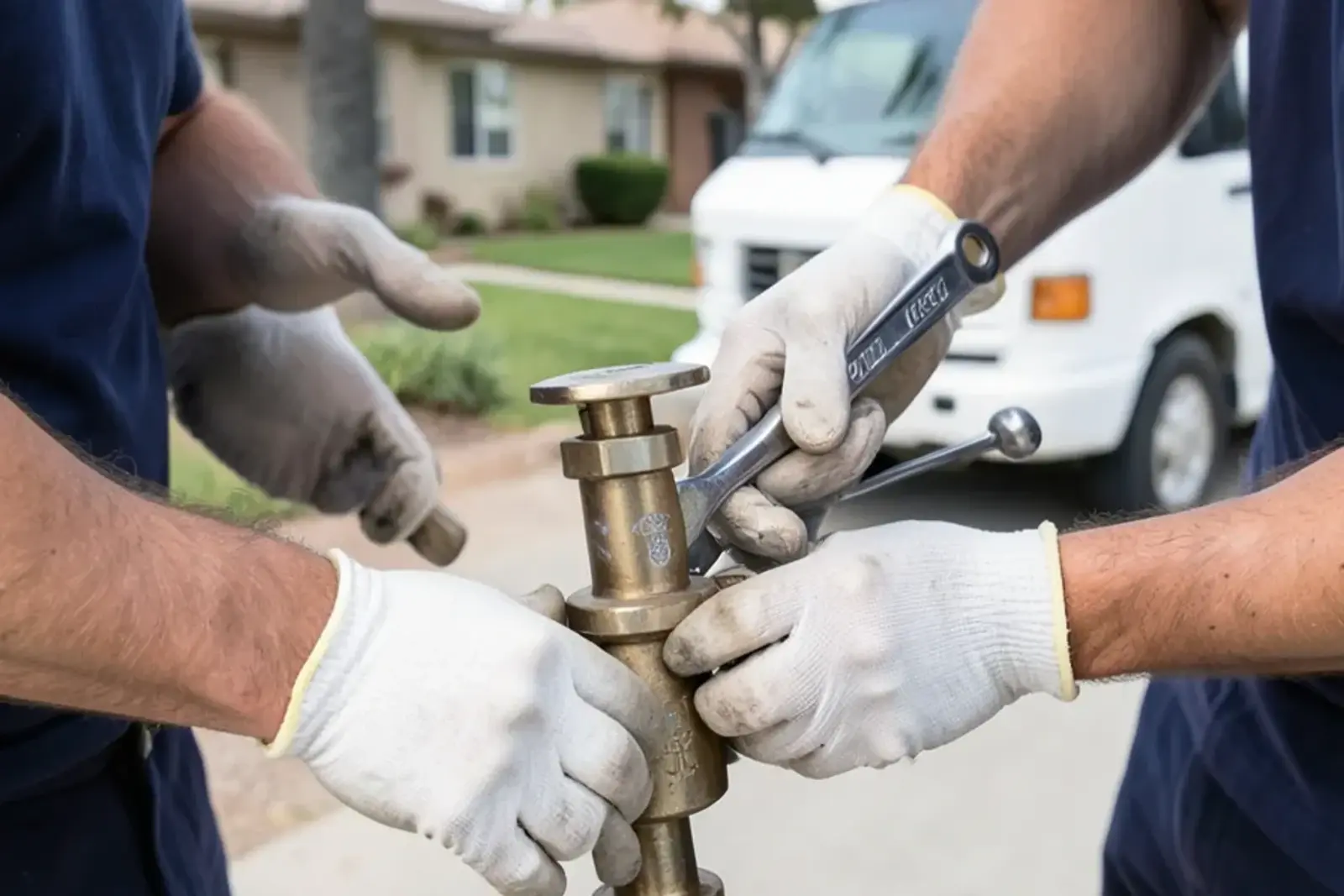
High groundwater and heavy coastal rains place extreme stress on municipal sewer collection infrastructure. During major storm events, storm runoff infiltrates cracked public sewer mains through aging manhole covers and unsealed pipe joints. When city sewer lines surcharge, raw sewage flows backward through private lateral connections, erupting through the lowest household drains.
Under Section 710.1 of the California Plumbing Code (CPC), plumbing fixtures installed on a floor level that is lower than the elevation of the top of the next upstream municipal manhole on the street must be protected by an approved backwater valve. In low-elevation tracts of Seal Beach and Los Alamitos, this code requirement is essential.
Traditional flapper check valves restrict air circulation and can trap toilet paper. Modern installations utilize normally-open backwater valves, such as the CleanCheck system, installed on the exterior sewer lateral between the home foundation and the street cleanout. Under normal conditions, the flapper hangs open, permitting unobstructed gravity sewer drainage and proper sewer gas venting. When municipal mains surcharge, rising water lifts an internal float, snapping the flapper shut to form an impenetrable mechanical seal.
Before winter storm cycles begin in Southern California, property owners in low-elevation coastal zones should complete this maintenance checklist:
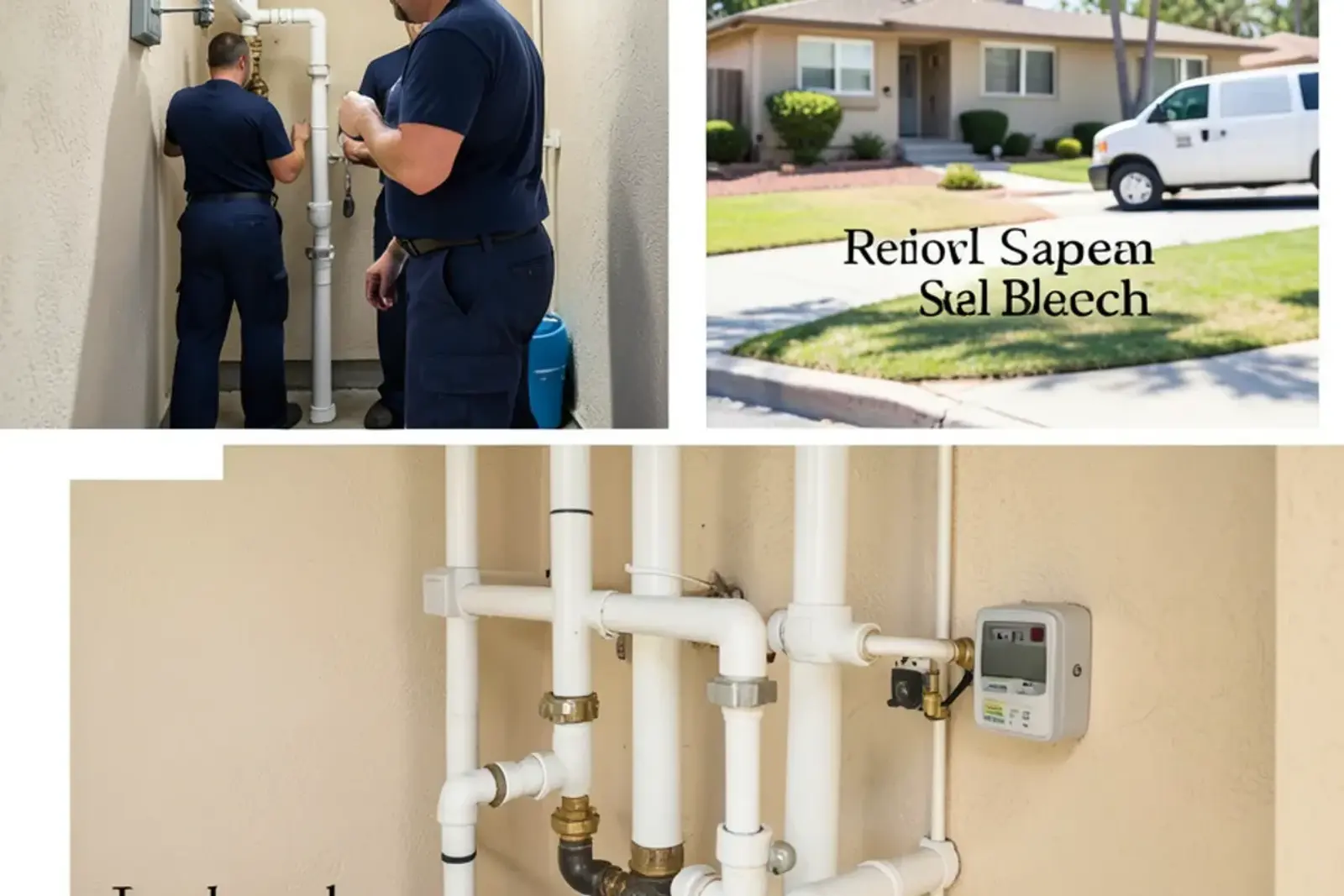
Safeguarding a low-elevation home near the coast requires precision plumbing craftsmanship backed by regional experience. Dispatched from our central workshop at 3535 Farquhar Avenue in downtown Los Alamitos, our licensed plumbing contractors install and service commercial-grade submersible sump pumps, AGM battery backups, and California Plumbing Code compliant backwater valves across Seal Beach, Los Alamitos, and neighboring communities.
We provide thorough site evaluations, clear diagnostic explanations, and fixed upfront written pricing. To protect your home against coastal groundwater intrusion or schedule a drainage inspection, contact our Farquhar Avenue team at (207) 419-2600 today.
Frequently Asked Questions
Seal Beach sits at sea level directly adjacent to Anaheim Bay, Alamitos Bay, and the Pacific Ocean, while western Los Alamitos borders the Coyote Creek and San Gabriel River flood basins. High tides and winter rain runoff elevate the local subterranean water table, bringing groundwater within three to six feet of the ground surface.
No. The California Plumbing Code and municipal ordinances in Seal Beach and Los Alamitos strictly prohibit routing clean groundwater, surface runoff, or sump pump discharge into the public sanitary sewer. Sump discharge must be directed to an approved storm drainage network, street curb gutter, or on-site retention swale.
A backwater valve is a mechanical check valve installed on your exterior main sewer line. It allows wastewater to exit the home under gravity but seals shut if municipal storm surcharges or high tides cause public sewer mains to back up, preventing raw sewage from flooding lower-level bathtubs and toilets.
Severe coastal storms that bring heavy downpours and rising water tables often cause electrical power outages. A battery backup system uses an independent 12-volt auxiliary pump and heavy-duty AGM battery to keep pumping water for hours after grid power fails, protecting your foundation from flooding.
Related Services
Professional emergency plumbing dispatched directly from our Farquhar Ave shop in Los Alamitos
Professional leak detection dispatched directly from our Farquhar Ave shop in Los Alamitos
Professional repiping dispatched directly from our Farquhar Ave shop in Los Alamitos
Professional sump pump installation dispatched directly from our Farquhar Ave shop in Los Alamitos
Professional sewer line repair dispatched directly from our Farquhar Ave shop in Los Alamitos
Communities Mentioned
Orange County
Master-planned 1956 community founded by Ross W. Cortese featuring 3,400 single-family slab homes and signature red brick perimeter walls
Orange County
Coastal city featuring historic Old Town beachfront cottages, The Hill bungalows, and the 1962 Leisure World active-adult cooperative