Plumbing Services in Los Alamitos, CA logo

Leaks & Piping

Los Alamitos leak detection and pipe repair

Reliable, code-compliant leak detection for Los Alamitos, Rossmoor, and West Orange County homes. Handled by experienced local technicians with upfront written pricing. Call (207) 419-2600.

  • Shop on Farquhar Ave in Los Alamitos
  • Single-family homes & postwar tracts
  • Condos, co-ops & local businesses
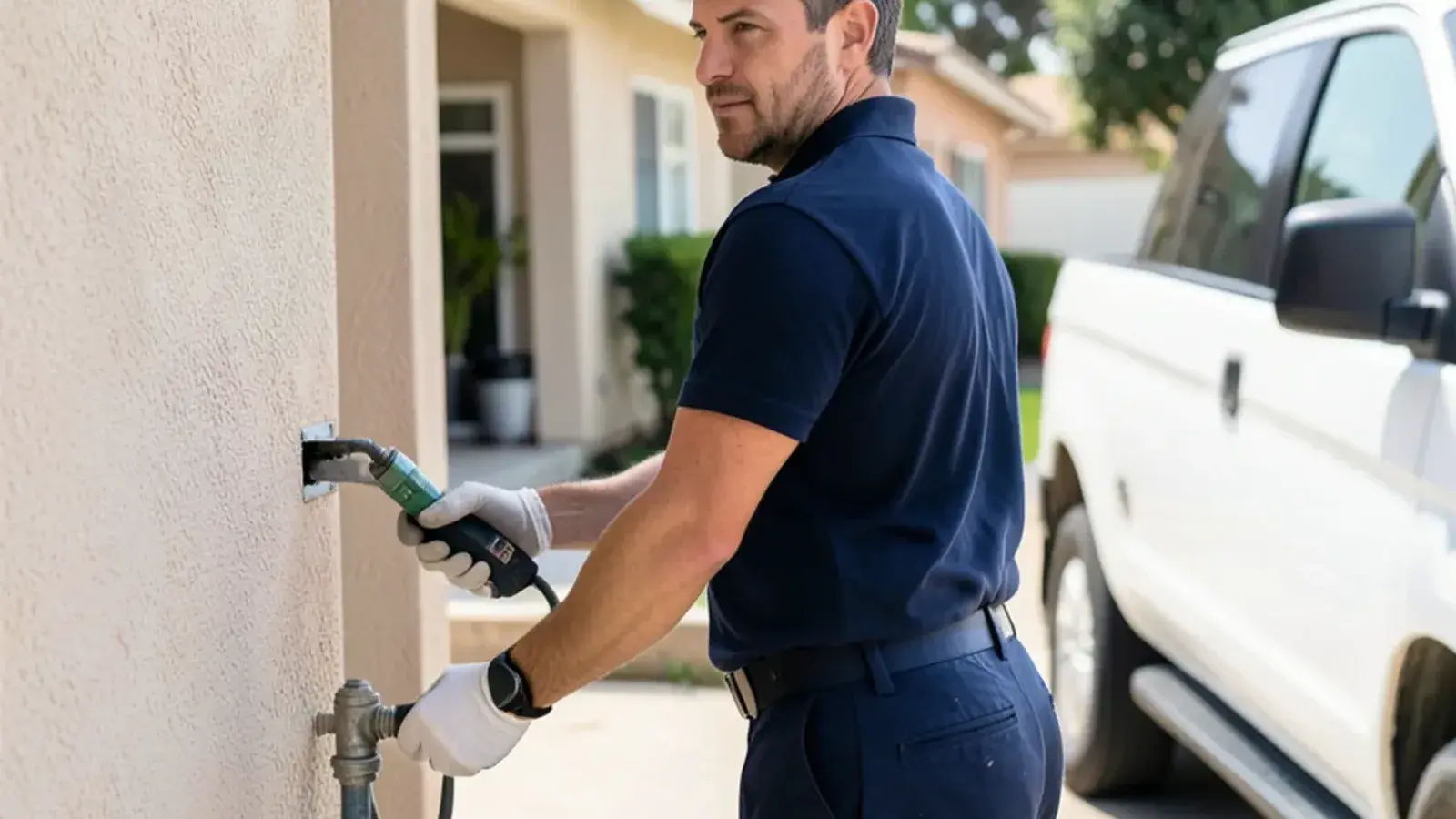
Plumbing technician performing leak detection for a residential property in Los Alamitos

What our Los Alamitos leak detection covers

Hidden water leaks inside walls, ceilings, and beneath concrete slab floors threaten your home's structural integrity, cause hidden mold growth, and inflate utility bills. Operating from our workshop at 3535 Farquhar Avenue, our licensed plumbing contractors use non-invasive electronic instruments to pinpoint concealed leaks across Los Alamitos, Rossmoor, and West Orange County:

  • Electronic acoustic ground listening: Utilizing sensitive ground microphones and frequency amplifiers to detect the distinctive sound of pressurized water escaping underground.
  • High-resolution thermal infrared imaging: Scanning flooring, baseboards, and walls with calibrated FLIR thermal cameras to map temperature anomalies along hidden pipe runs.
  • Hydrostatic system pressure isolation: Connecting calibrated test gauges and pneumatic isolation plugs to determine whether pressure drops stem from hot, cold, or irrigation supply lines.
  • Subsurface electromagnetic pipe tracing: Sending radio frequency signals through metallic pipes to track their exact path, depth, and directional turns beneath concrete foundations.
  • Inert tracer gas testing: Pressurizing isolated lines with a safe, non-toxic nitrogen-hydrogen tracer gas and scanning surfaces with electronic sniffers for tiny micro-leaks.
  • Insurance-ready diagnostic reporting: Providing clear photographic documentation, meter readings, and written reports for insurance claim adjusters.

Our non-destructive diagnostic approach eliminates blind exploration holes in drywall and avoids unwarranted jackhammering of finished hardwood and tile floors.

Warning signs of a hidden water leak in your home

Because local tract homes feature monolithic concrete foundations, water leaks often remain hidden until structural damage or high utility bills draw attention:

  • The water meter leak indicator spins continuously: If the small red triangle or digital flow indicator on your water meter moves while all faucets, showers, and appliances are shut off, pressurized water is escaping.
  • Warm spots on tile, laminate, or carpeted floors: A hot water copper slab leak warms the concrete foundation, creating noticeable warm patches underfoot in hallways, bathrooms, or bedrooms.
  • Unexplained spikes in monthly water bills: A sudden jump in water consumption on your Golden State Water statement without increased household usage indicates continuous subterranean leakage.
  • Sounds of rushing or hissing water behind walls: Hearing water circulating when all fixtures are closed indicates pressurized water escaping through a fractured fitting or pinhole rupture.
  • Damp drywall, peeling baseboards, or musty odors: Moisture wicking up wall framing causes baseboards to separate, paint to blister, and mold spores to propagate inside enclosed cavities.
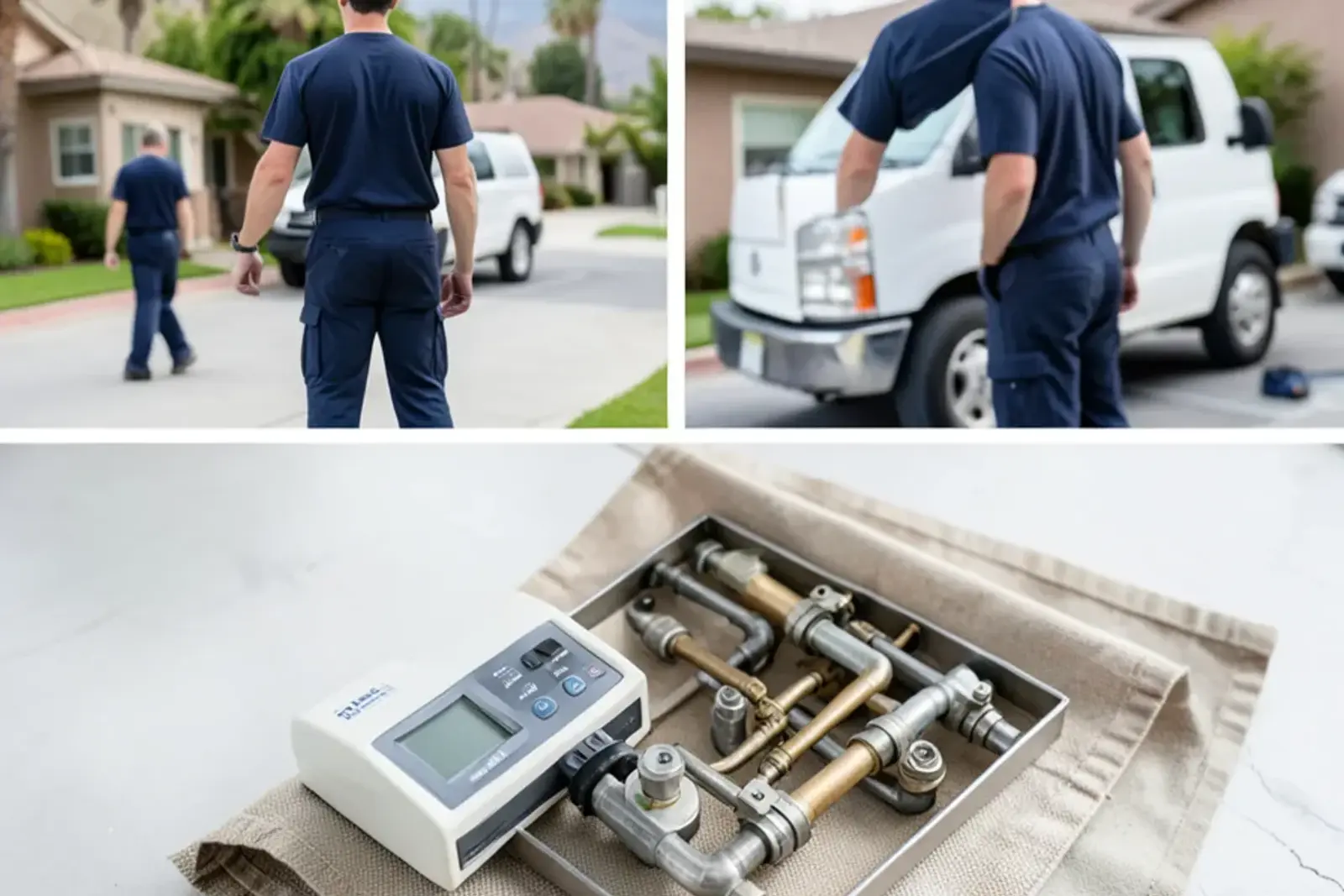
Specialized diagnostic instruments used during leak detection testing
Accurate diagnostic testing pinpoints internal line conditions before repairs begin.

Why postwar tract construction contributes to leak challenges

Los Alamitos, Rossmoor, and surrounding tracts built between 1948 and 1970 present specific construction characteristics that make residential plumbing vulnerable to concealed leaks:

Copper tubing embedded in concrete slabs

Postwar subdivisions—such as Carrier Row, Dutch Haven, and Rossmoor—were built using slab-on-grade construction. Original Type M or Type L copper water tubing was laid directly over crushed gravel before the concrete foundation was poured. Decades of hot water expansion and contraction cause copper lines to rub against sharp aggregate, eventually wearing thin-walled tubing down until pinholes develop.

High mineral content in Golden State Water supplies

Local municipal water supplied by Golden State Water Company averages 14 to 22 grains per gallon of mineral hardness. This hard groundwater, combined with dissolved chlorine, creates chemical conditions that promote pitting corrosion inside copper supply lines, eroding pipes from the inside out.

Alluvial ground movement along the Coyote Creek basin

Properties across West Orange County sit upon historical alluvial silt and sand deposits from Coyote Creek. Seasonal shifts between wet winters and dry summers cause foundation soil to settle unevenly. This movement places severe shear tension on rigid soldered copper tees and elbows beneath concrete floors.

Suspect a hidden slab leak or unexplained water bill increase? Call (207) 419-2600 to schedule non-invasive electronic leak detection from our Farquhar Avenue team.

:::

Diagnostic procedures used to evaluate concealed leaks

Pinpointing a leak beneath concrete requires structured testing rather than exploratory demolition. Our technicians follow a disciplined four-step diagnostic procedure:

  1. Meter verification and static pressure test: We record incoming water meter activity and connect precision analog test gauges to exterior hose bibbs, noting whether pressure drops when the main shutoff is closed.
  2. System isolation and line separation: We isolate the cold water supply from the water heater to determine whether the pressure drop is localized to the cold distribution network or the hot water loop.
  3. Thermal infrared thermography: Our technician scans all floor and wall surfaces with an infrared camera. Escaping hot water radiates heat through concrete, creating a distinctive thermal plume that reveals the leak corridor.
  4. Acoustic frequency filtration and surface pinpointing: Using high-gain contact microphones and digital frequency filters, we listen directly against concrete slabs and tile floors, filtering out ambient street noise to identify the exact origin of the escaping water spray.
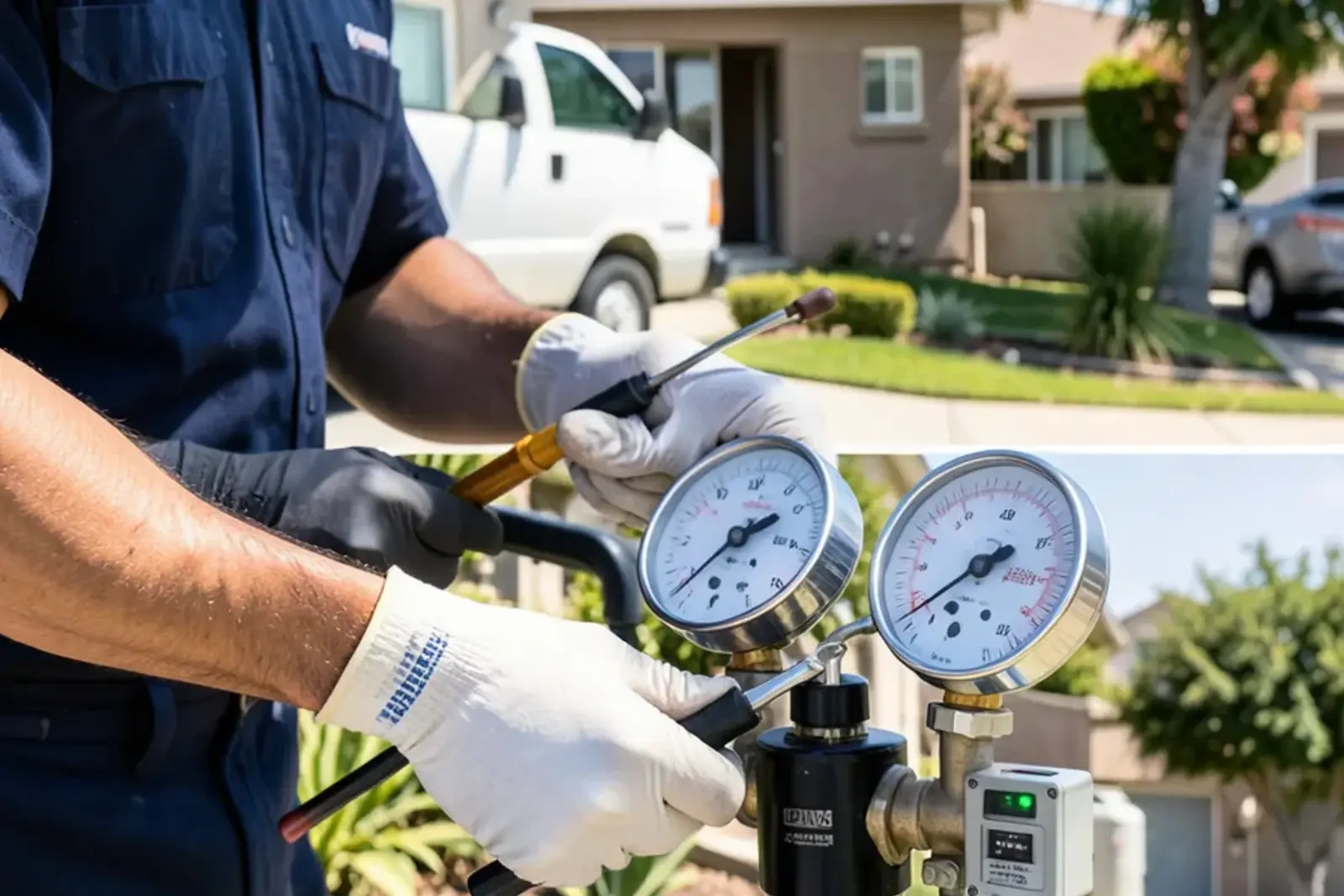
Plumber installing durable leak detection components in a home
High-performance materials ensure lasting durability and code compliance.

Step-by-step leak detection procedure from Farquhar Avenue

Every leak detection assignment managed by our local crew adheres to a clean, non-destructive workflow:

  1. Initial site inspection and homeowner consultation: We review your recent water bills, note observed damp spots or floor warmth, and inspect accessible plumbing fixtures.
  2. Containment and work area protection: We wear protective boot covers and place clean canvas mats before deploying acoustic consoles, thermal cameras, and electronic pressure manifolds inside your home.
  3. Pressure isolation testing: We isolate individual plumbing zones and perform hydrostatic decay testing, confirming whether a pressurized water leak exists and quantifying loss rate.
  4. Thermal and acoustic scanning: We methodically trace distribution paths through your home, combining thermal scans with focused acoustic listening along pipe corridors.
  5. Pinpoint location marking: Once the leak is verified, we mark the exact point on the floor or wall with low-tack tape, measuring depth and proximity to structural elements.
  6. Detailed report and repair strategy: We walk you through our findings, provide clear photographs, and discuss repair options—including targeted spot repair or an overhead PEX bypass repipe.

Comparing non-invasive leak detection with exploratory demolition

Investing in specialized electronic detection delivers clear financial and structural benefits compared to traditional exploratory methods:

Diagnostic MethodNon-Invasive Electronic DetectionExploratory Jackhammering & Demolition
AccuracyPinpoints failure within inchesBroad guesswork requiring extensive demolition
Flooring disruptionZero damage to flooring or tileDestroys hardwood, tile, and sub-slab concrete
Dust and indoor disruptionClean, quiet, and dust-freeHeavy concrete dust, jackhammer noise, and mess
Insurance acceptancePreferred by insurance adjustersOften leads to disputed claim reimbursement
Time to locate failureTypically 60 to 90 minutesHours of disruptive manual demolition

Our non-invasive technology saves homeowners thousands of dollars in avoidable flooring restoration and carpet replacement costs.

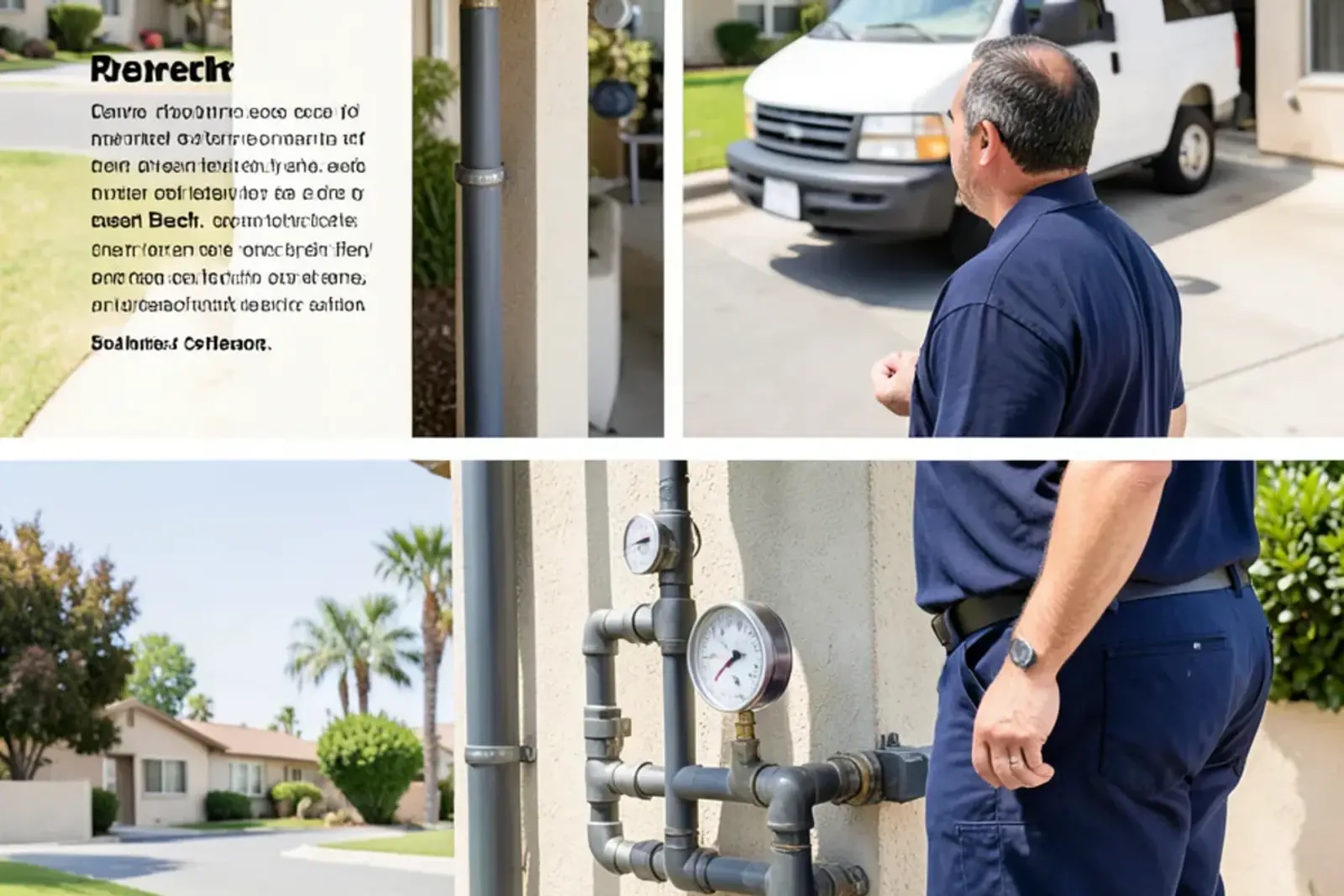
Completed leak detection project undergoing final verification testing
Every installation undergoes rigorous pressure and flow verification before sign-off.

City of Los Alamitos municipal codes and insurance claim support

Addressing water leaks in Los Alamitos requires adherence to municipal plumbing standards and careful documentation for insurance purposes:

  • Plumbing permit requirements: Minor spot repairs on supply piping or whole-home PEX bypass reroutes require a plumbing permit from the City of Los Alamitos Community Development Department at 3191 Katella Avenue.
  • Approved repair materials: All replacement piping must comply with California Plumbing Code standards, utilizing Type L copper or cross-linked polyethylene (PEX-a) with approved expansion fittings.
  • Insurance documentation assistance: Most homeowner policies cover "tear-out and access" costs to locate hidden leaks. We provide itemized invoices, digital thermal photos, and written diagnostic reports formatted for insurance adjusters.
  • Water conservation reporting: If high water usage triggered a utility leak penalty, our formal repair invoice helps you request a billing adjustment from Golden State Water Company.

Why Los Alamitos homeowners trust our Farquhar Avenue team

Finding hidden leaks requires specialized equipment and deep knowledge of local building practices. Property owners across Los Alamitos and Rossmoor depend on our shop:

  • Prompt neighborhood dispatch: Situated at 3535 Farquhar Avenue, our technicians respond rapidly to suspected slab leaks throughout town.
  • Advanced diagnostic instruments: We invest in high-resolution FLIR thermal imagers, digital acoustic correlators, and inert tracer gas systems.
  • Upfront written pricing: We provide clear flat-rate pricing for diagnostic detection before testing begins, with no unexpected fees.
  • Objective repair guidance: We explain the advantages of both direct concrete spot repairs and overhead PEX bypasses so you can choose the best solution for your home.

Preventative habits to monitor your plumbing for hidden leaks

Practicing proactive plumbing checks helps catch leaks before they cause structural floor and wall damage:

  1. Check your water meter monthly: Shut off all household water and observe the meter leak indicator for 15 minutes. Any movement points to an unmonitored leak.
  2. Maintain water pressure below 70 PSI: High municipal pressure accelerates copper pipe wear. Test your pressure regulator annually with an inexpensive hose bibb gauge.
  3. Pay attention to warm floor areas: If you feel a warm patch on your slab floor, have it tested immediately before sub-slab moisture damages foundation framing.
  4. Inspect appliance supply hoses biannually: Replace rubber washing machine and ice maker hoses with braided stainless steel lines every five years.

To schedule non-invasive electronic leak detection for your Los Alamitos home, call our Farquhar Avenue team today at (207) 419-2600.

Frequently Asked Questions

Leak detection questions from Los Alamitos homeowners

How do you locate a leak under a concrete slab without breaking floors?

We locate sub-slab leaks non-invasively by combining electronic acoustic amplification, infrared thermal imaging, and digital line pressure isolation. Sensitive ground microphones listen for the specific high-frequency vibration of pressurized water escaping into subgrade soil, while thermal cameras detect heat plumes from hot water distribution lines. This pinpoints the leak location to a small target area before any flooring is touched.

Does homeowner insurance cover electronic leak detection in Los Alamitos?

Most standard homeowner insurance policies in California cover the cost of locating the leak and repairing resulting water damage, while the plumbing pipe repair itself is typically an out-of-pocket maintenance expense. We provide detailed written diagnostic reports, thermal photographs, and insurance-ready invoices to streamline your claims process.

What should I do immediately if I suspect a hidden slab leak?

First, locate your main water shutoff valve—typically found on the front exterior hose bibb riser in local tract homes—and turn it clockwise to stop pressurized water flow. Then call our local Farquhar Avenue team at (207) 419-2600 for same-day non-invasive diagnostic locating to prevent structural soil erosion and floor damage.

Why did my Golden State Water bill jump unexpectedly?

An unexplained spike in your monthly water bill almost always signals an unmonitored leak. A single pinhole rupture under working pressure can lose 3,000 to 10,000 gallons of water per month into the porous sand beneath your slab. Check your water meter on the street: if the low-flow indicator triangle or digital dial moves when all household fixtures are shut off, water is leaking continuously.

Do you provide upfront written pricing for leak detection?

Yes. We offer flat-rate pricing for residential water leak detection. Our technicians arrive with specialized equipment, isolate the problem lines, pinpoint the leak source, and deliver a clear written diagnostic summary with upfront repair options before any physical work starts.

Related Services

Other plumbing services you may need

Emergency plumbing

Professional emergency plumbing dispatched directly from our Farquhar Ave shop in Los Alamitos

Learn what we fix

Drain cleaning

Professional drain cleaning dispatched directly from our Farquhar Ave shop in Los Alamitos

Learn what we fix

Where We Perform This Service

Communities we serve around Los Alamitos

Rossmoor

Orange County

Master-planned 1956 community founded by Ross W. Cortese featuring 3,400 single-family slab homes and signature red brick perimeter walls

View local plumbing notes

Seal Beach

Orange County

Coastal city featuring historic Old Town beachfront cottages, The Hill bungalows, and the 1962 Leisure World active-adult cooperative

View local plumbing notes

Cypress

Orange County

Postwar residential subdivisions incorporated in 1956, featuring single-story ranch tracts with original slab plumbing

View local plumbing notes

Long Beach

Los Angeles County

East Long Beach tracts surrounding El Dorado Park, Los Altos, and Plaza built in the early 1950s with cast iron drainage

View local plumbing notes

Helpful Field Guides

Homeowner advice related to leak detection

Call: (207) 419-2600